Home | Gallery | Links | Index | Contact

Sunday, May 04, 2008

Photographing California's Wildflowers

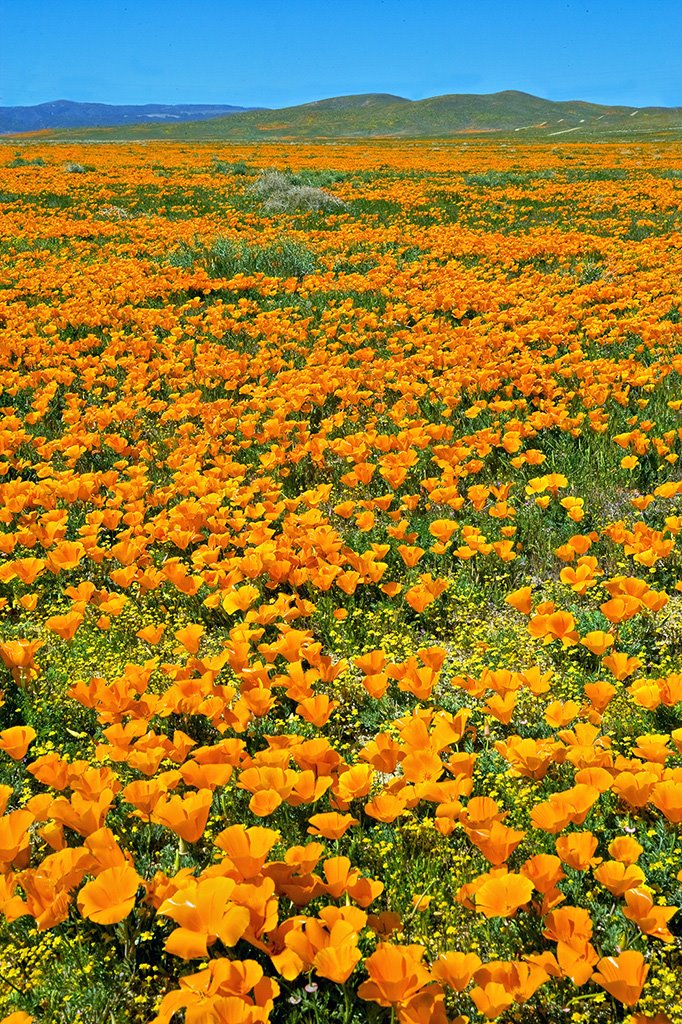
Antelope Valley PoppiesOne in a million, or a million and one, the choice is yours. Whether you single out one bloom or shoot 'em in mass you can't go wrong with photographing wildflowers. California has some of the best wildflowers in the country. The trick is being at the right place at the right time. Some years they'll start to bloom in late February and continue on into August.

They bloom from the deserts, to the coast, to the valleys and up to the highest mountains. You can visit Anza Borrego, Death Valley, the Carrizo Plane, Yosemite Valley, the Sierra Foothills, the Eastern Sierra High Country, and many more. Carol Leigh's website Calphoto.com provides up to date posts on the best locations and when they're in full bloom. So far this year I've gone to Figueroa Mountain, Lake Elsinore, Antelope Valley, Gorman and even a hillside about 20 feet from my driveway.

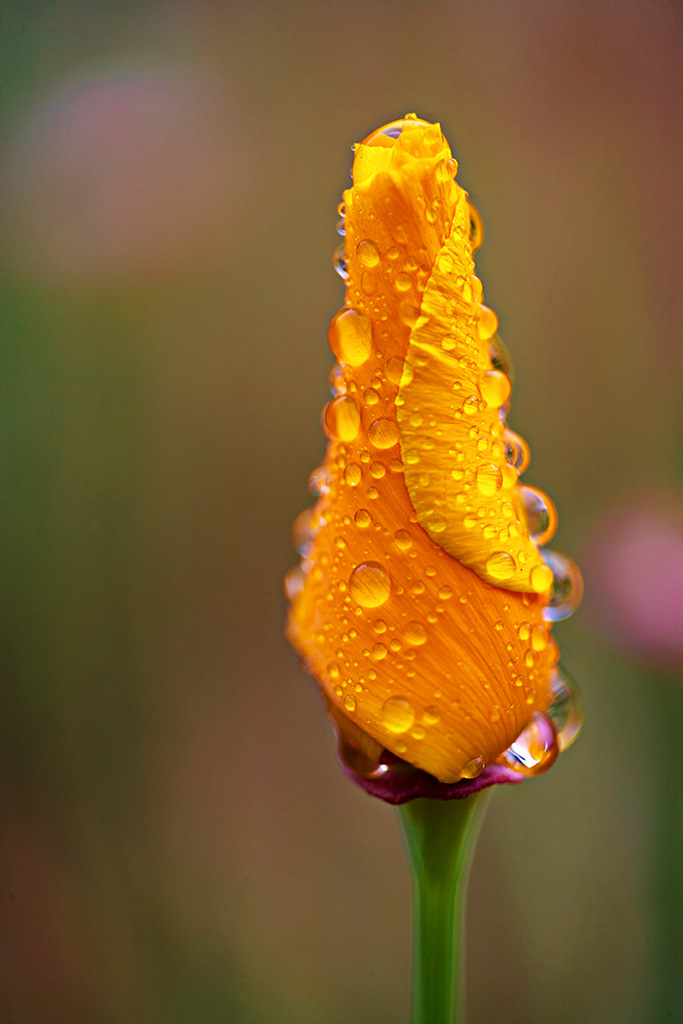
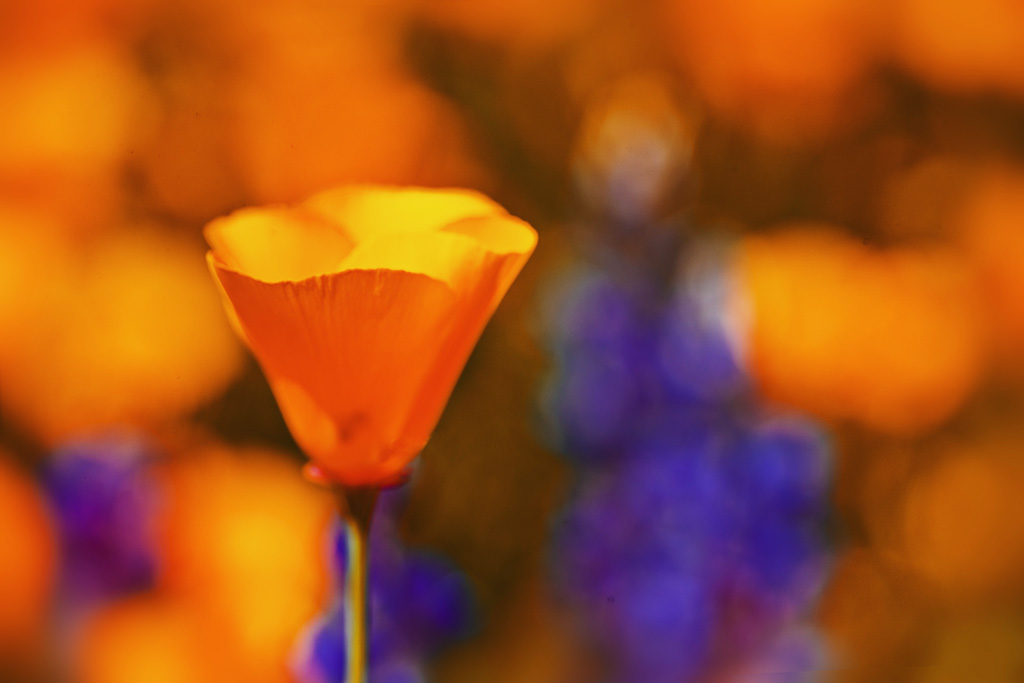
Poppy RaindropsI like to shoot in early morning light and we got a little rain a couple of mornings which added variety. Poppies don't open when it's cold or windy, They like nice sunny days. Most of the time they open between 9 and 11. Poppies photograph well in full sun. Their thin petals are translucent and take on a glow. For most wildflowers cloudy or overcast works best. If contrast is a problem I'll try to shoot the poppy close up and have the background out of focus. This blurs the highlights with the shadows and cuts down the contrast. Back-light is another alternative to cut down harsh contrast. You can also use a diffuser. (I forgot mine on the first trip where I really needed it.)

Poppy
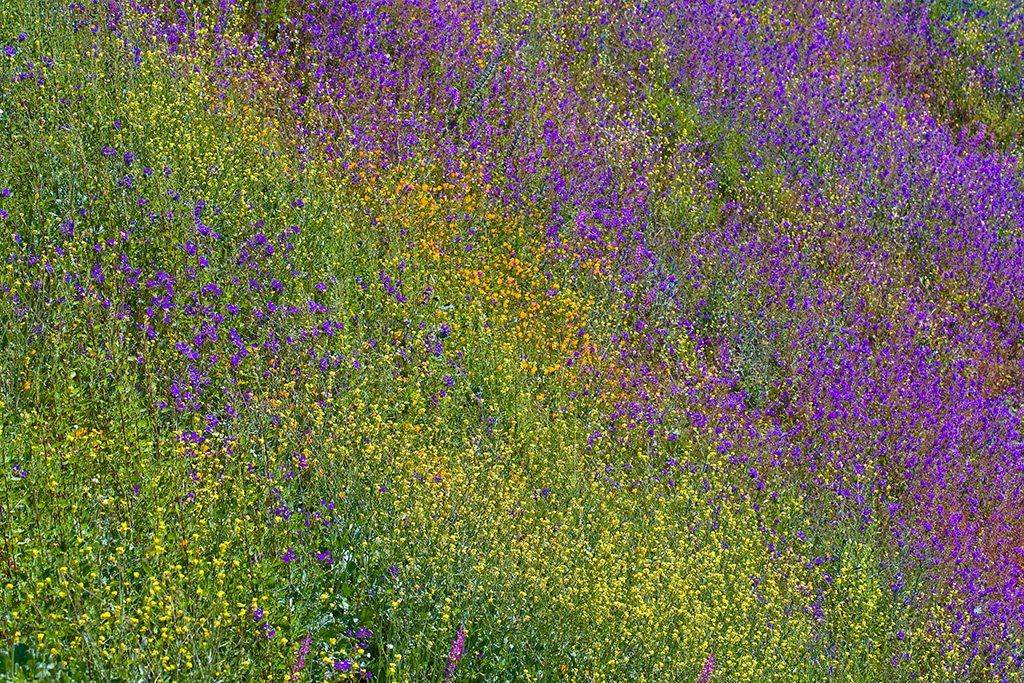
Poppies and Bluebells
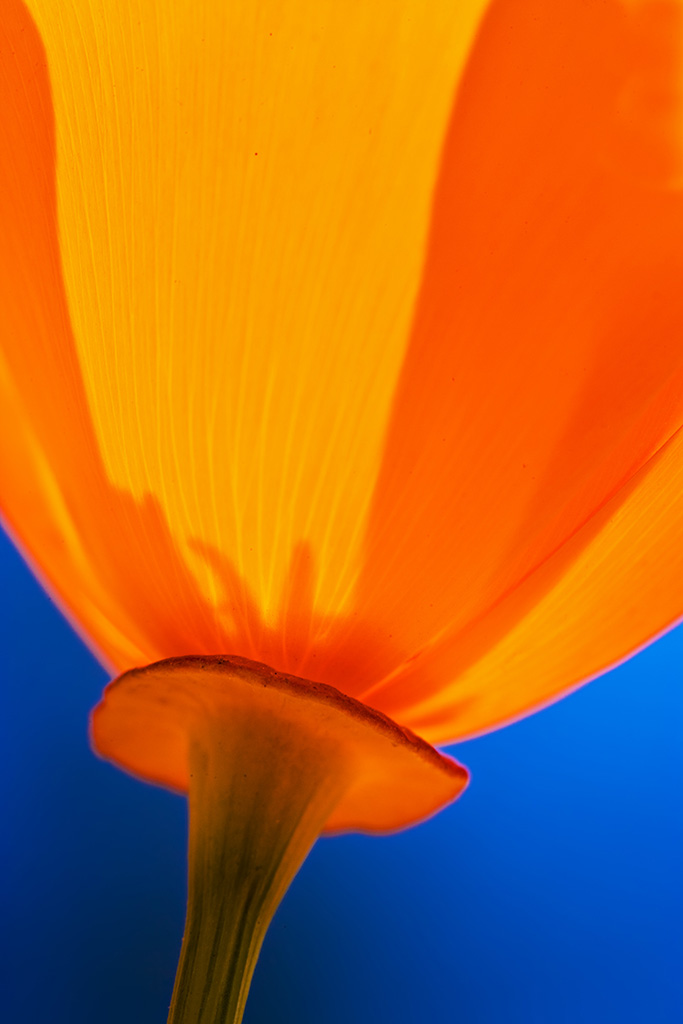
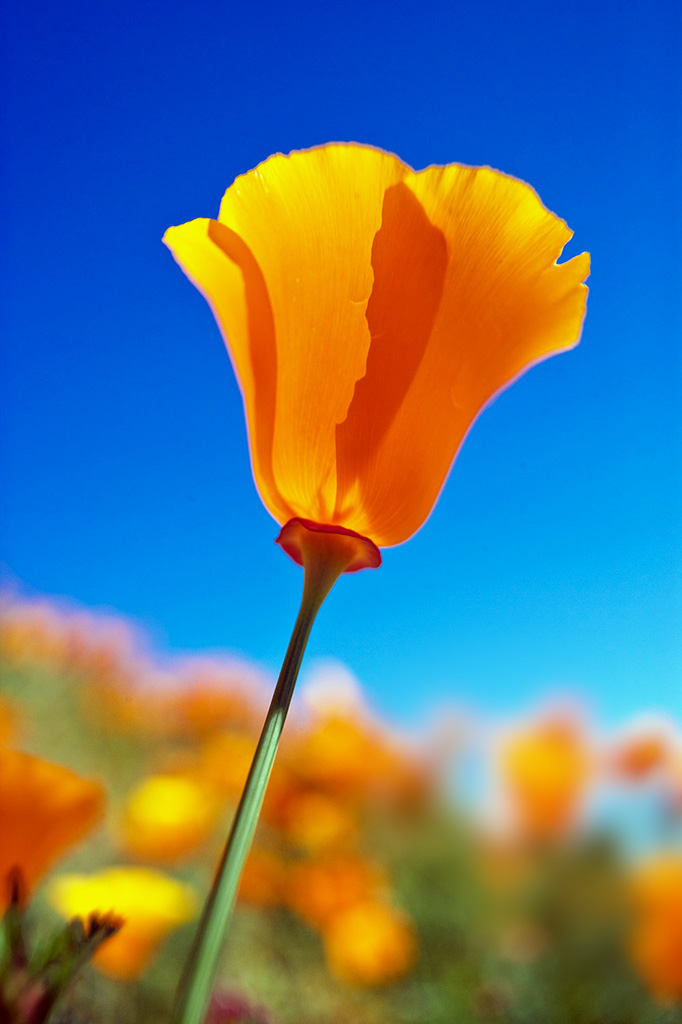
All 3 images, the 2 above and the one to the left, were made using a 100mm macro lens. (On a full frame sensor - a 60mm on a aps size sensor.) I used my "sneaker zoom". I changed my position by moving my feet. For the 2 above I only moved about 3 feet. The poppy to the left was on a hillside so it was easier to get underneath. Of note, when you point up away from the horizon the sky is a deeper blue. It's always the darkest blue to the north.


One technique I wanted to try was a wide angle close up by using a 12mm extension tube on a wide angle lens. First I tried it on a 20mm (On a full frame sensor) but the petals had to almost touch the front of the lens in order to focus. Then I tried a 24mm lens. It was better but still hard to manage. I went home and did a series of tests and found that my Tamron 17-35mm lens focuses very close. Adding the 12mm extension tube allowed me to focus just a few inches from the lens at all focal lengths. I preferred it set to 35mm. There is very little depth of field so at 5.6 it might be an eight of an inch. I happen to like this look and plan to use it more it the future. It looks somewhere between a photograph and a painting. It is much more manageable at 35mm. You don't have to have the flower touching the lens shade and you can control the size of the foreground and amount of background by using small adjustments with the zoom and rocking back and forth. It gave me what I was looking for. The photo has more depth than with a longer lens. It's much easier to use in practice than described here in words.

Figueroa Mountain
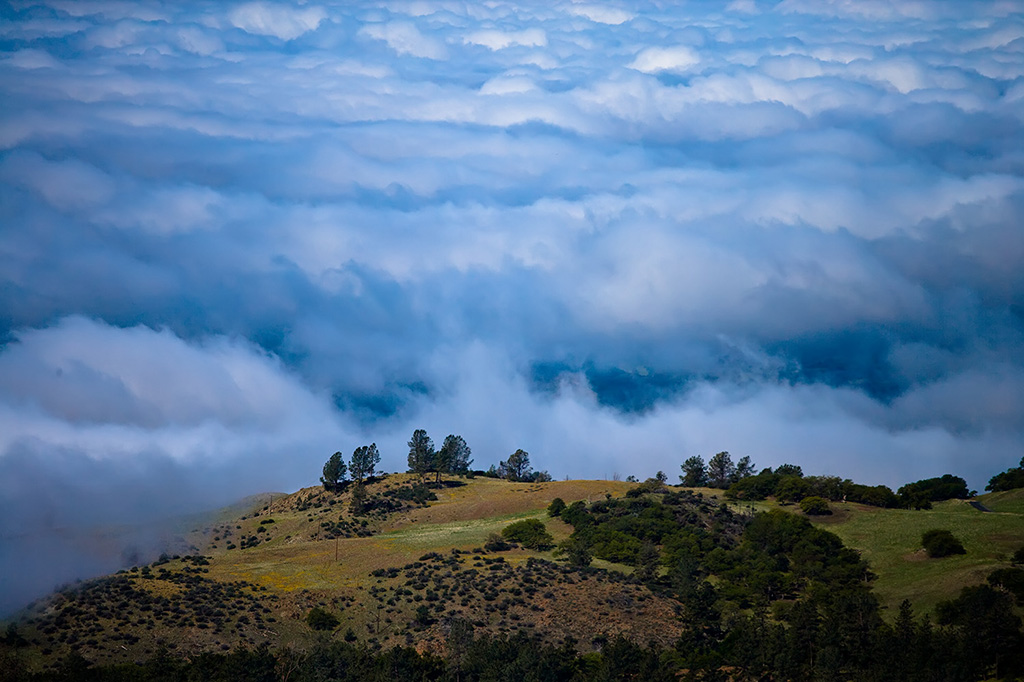
Along the way I stumbled upon a few shots without wildflowers that I couldn't pass up. It's always fun to get out and explore. Whatever photographic technique you're trying to improve upon or if your just out for a good hike, wildflowers add an extra sparkle. Just Google "YOUR STATE Wildflowers" and add "Hotsheet" or "Hotline". Check out my California Wildflowers Gallery for more examples.

Labels: , ,

Tuesday, April 22, 2008

Earth Day and Photography

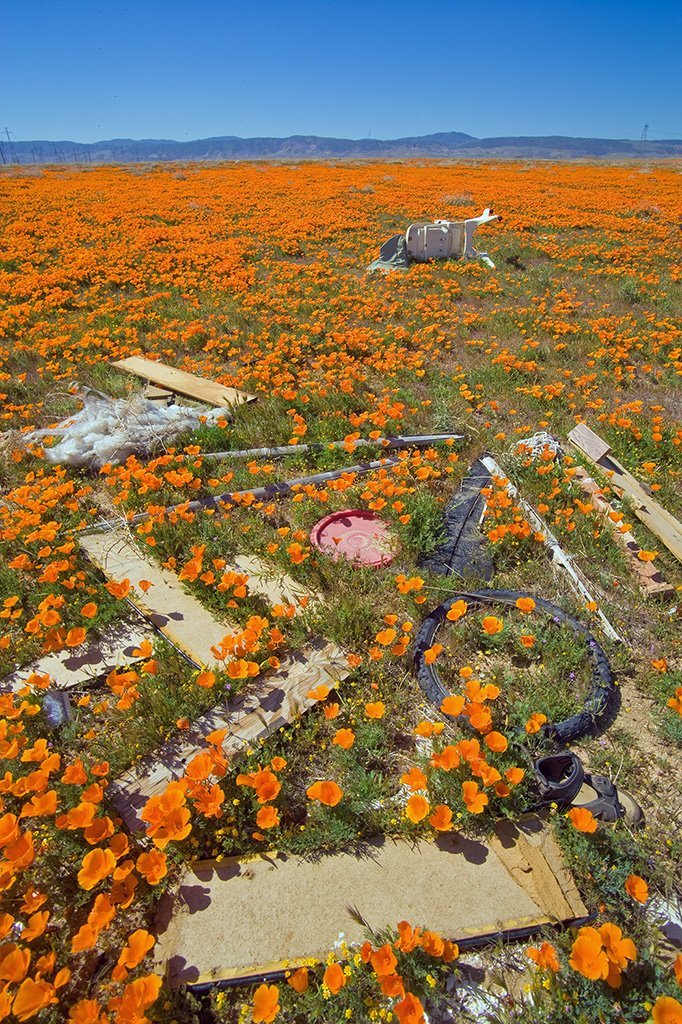
Poppies & Trash - Antelope ValleyI came upon this shot a couple of weeks ago in Antelope Valley. I always try to pick up trash whether it's in the wilderness or just the parking lot. Here it was too much for me to handle. There were piles of asphalt, a few mattresses, and lots of couches. I do my part and then some, but still it's never enough. That's why I give to the Nature Conservancy and the Sierra Club. From time to time I also give to local efforts such as the Yosemite Association and the Mono Lake Committee. As photographers we should show the negatives as well as the positives. Too often I try to get the perfect sunset and avoid the parts that mankind has spoiled. I hope you'll join me in helping restore nature to all it's glory. You and your photography can make a difference.

For more Antelope Valley Poppies see my California Wildflowers Photo Gallery

Labels: , ,

Friday, February 15, 2008

Photographing Yosemite in Winter

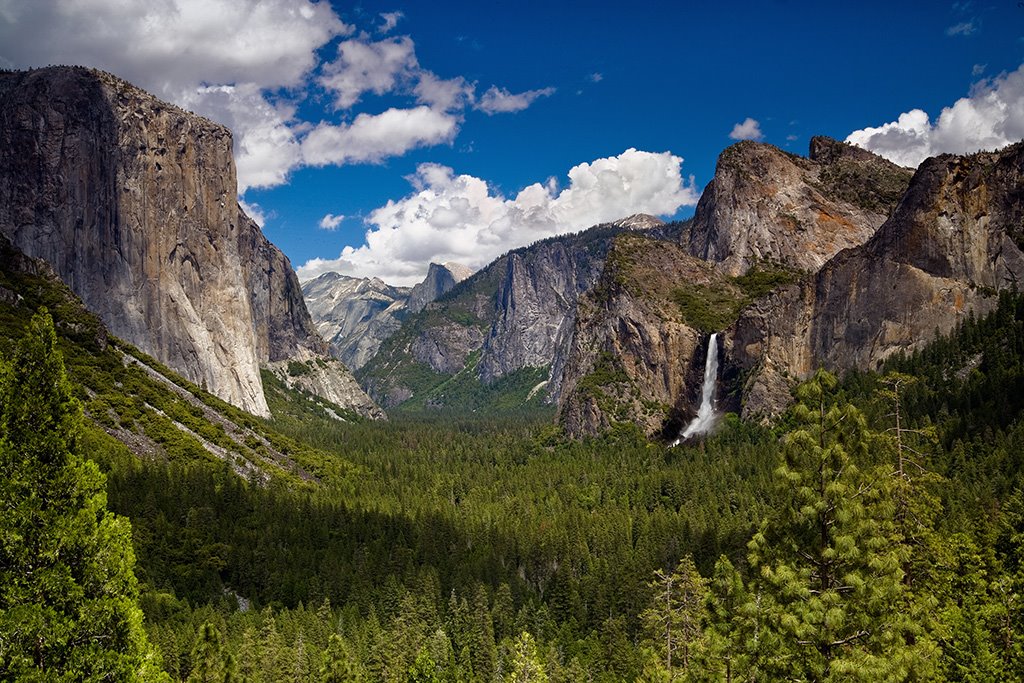
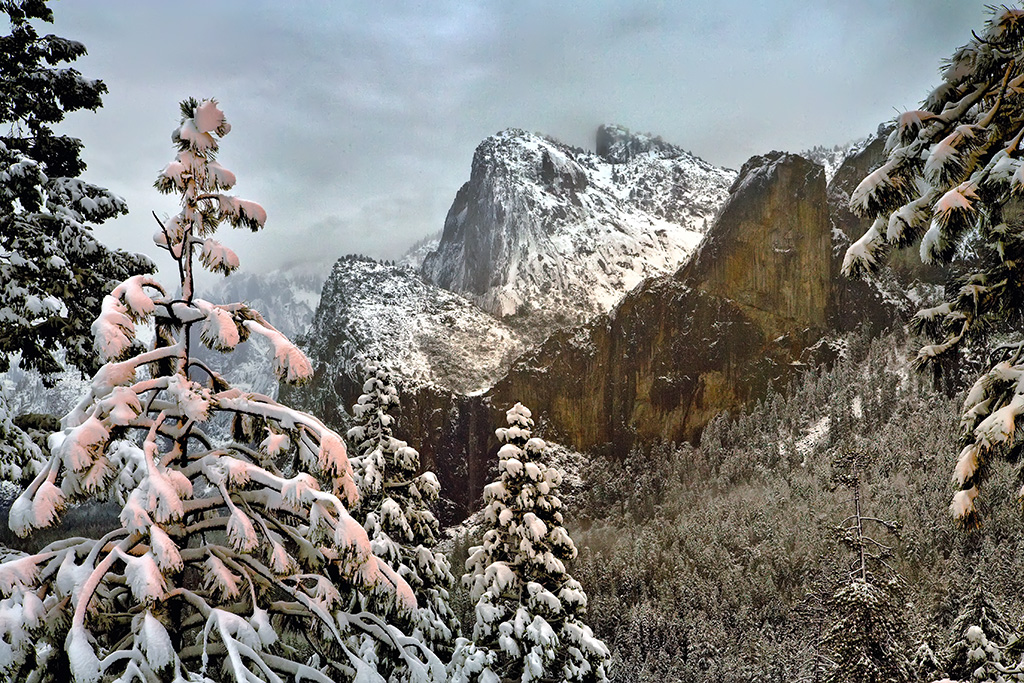
Peaks from Tunnel View
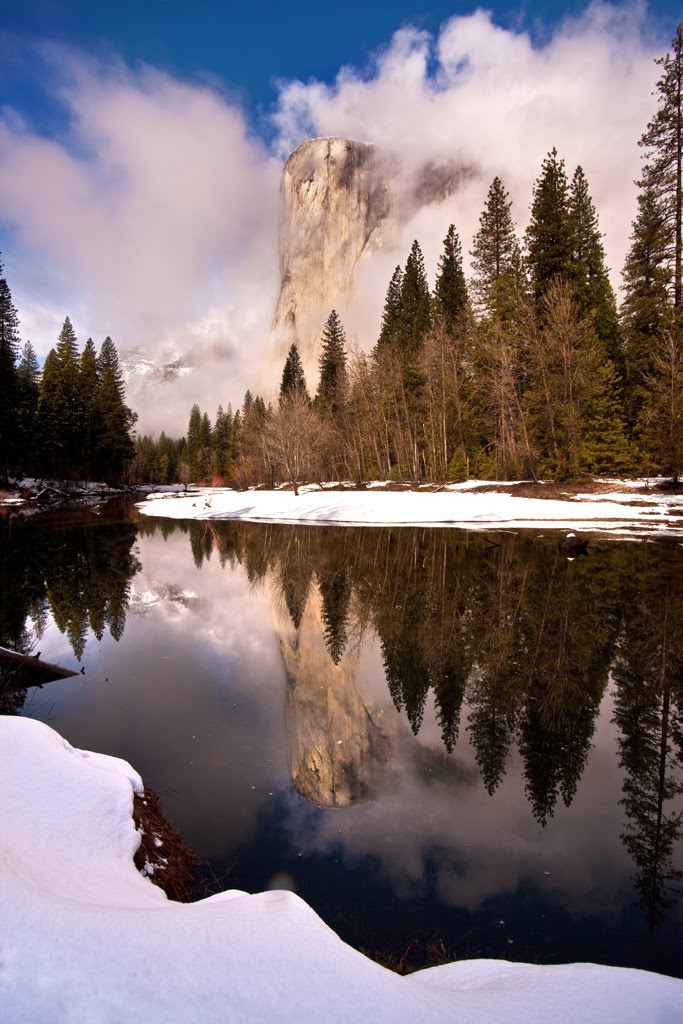
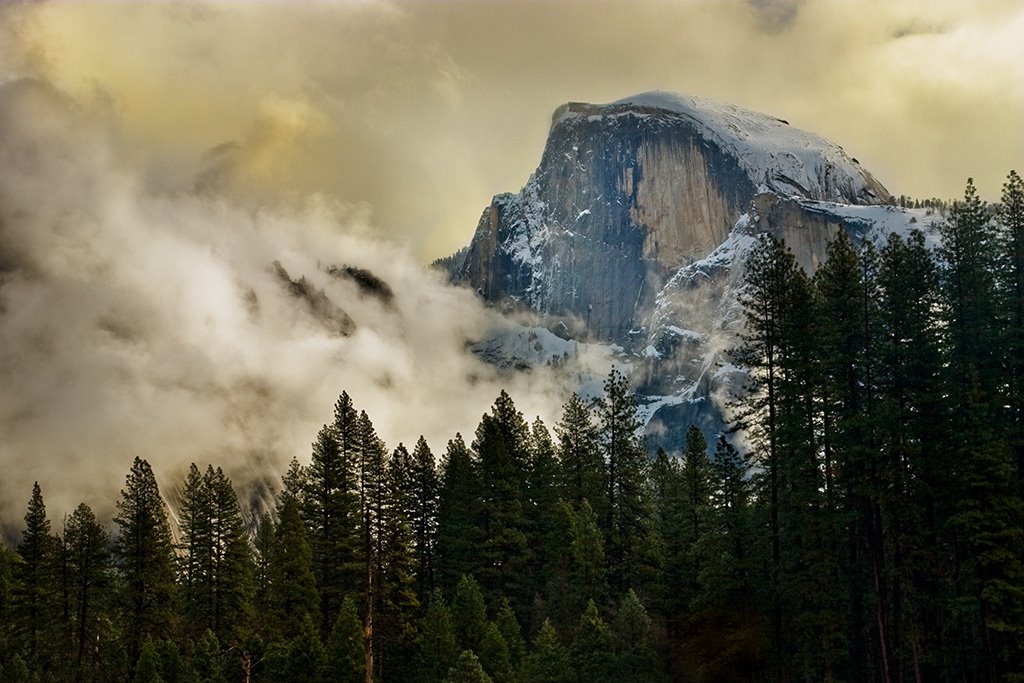
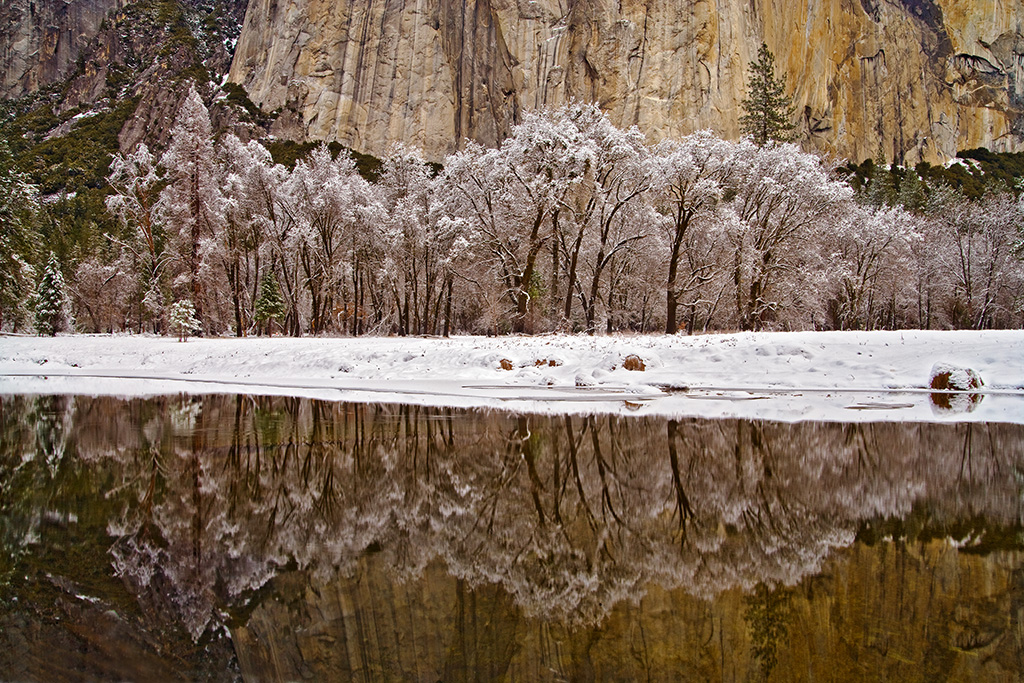
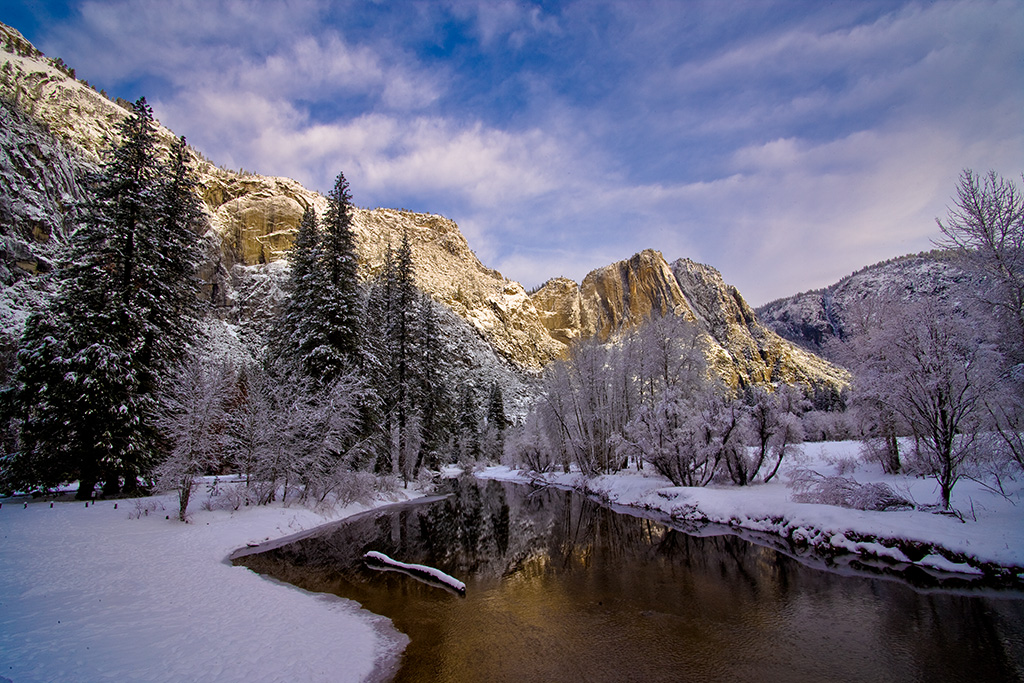
So often I hear "Why bother with Yosemite, it's been done." Well that never occurred to me as I walked along side the Merced River and looked across it's snow covered banks onto El Capitan. The black oaks were covered with a dusting of snow and the red cliffs popped out from the stark white snow. I was all alone in the dark and the sun was just starting to rise. It's the rush, that's why I come here. The camera is just along for the ride.

Black Oaks - El Capitan
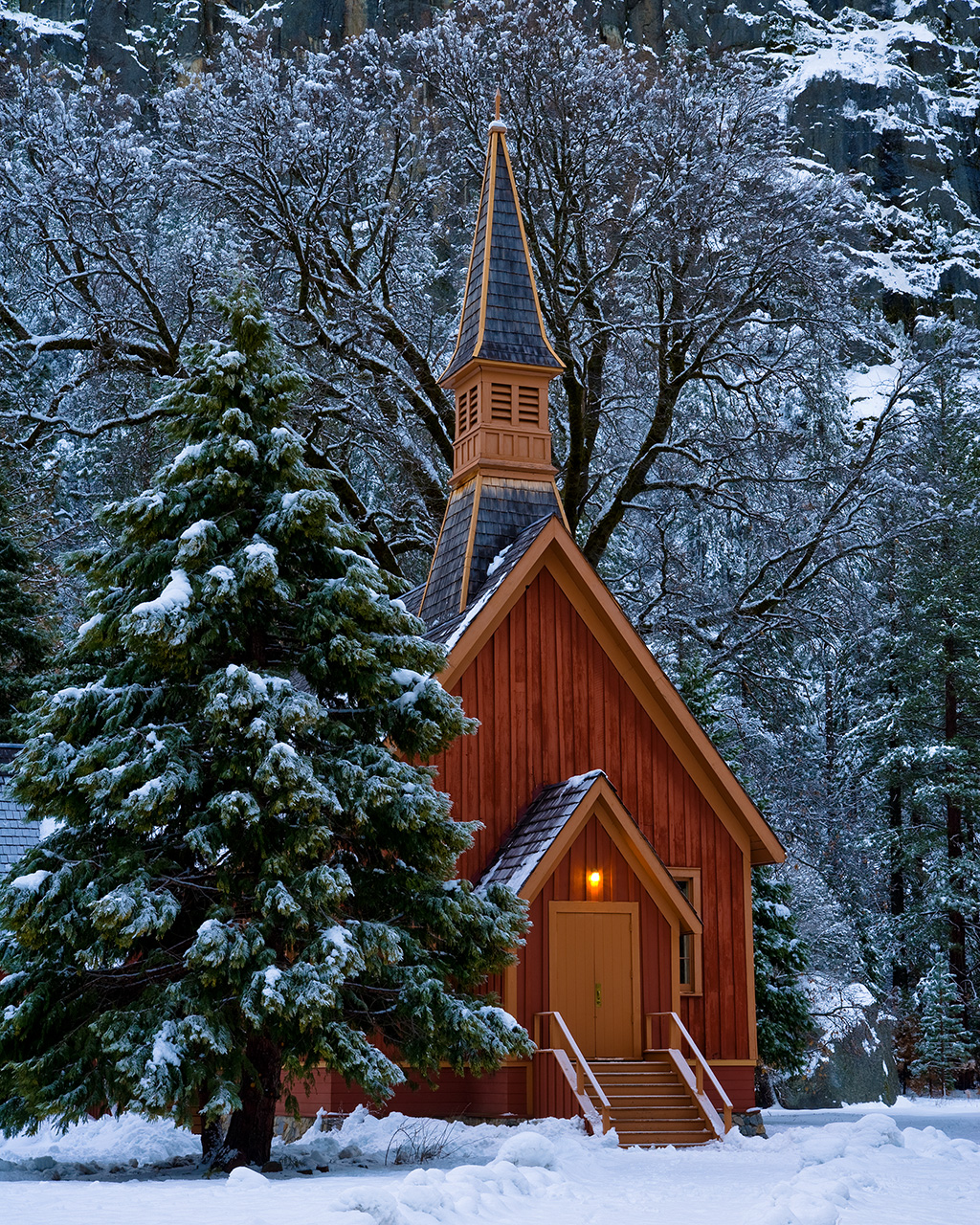
Winter provides a magic spell over the valley. There are snow covered peaks, wildlife and small frosted treasures. It feels like you have the whole place to yourself. The North Road was closed, but I found plenty of places to go. I went to Swinging Bridge, El Capitan, The Chapel, Cooks Meadow, Sentinel Bridge, Ahwahnee Meadow, Tunnel View, and the trail behind the Ahwahnee. I never saw anyone at Sunrise and just a few people during the day. There were lots of cars in the parking lot, but it seems that everybody went skiing up at Badger Pass.

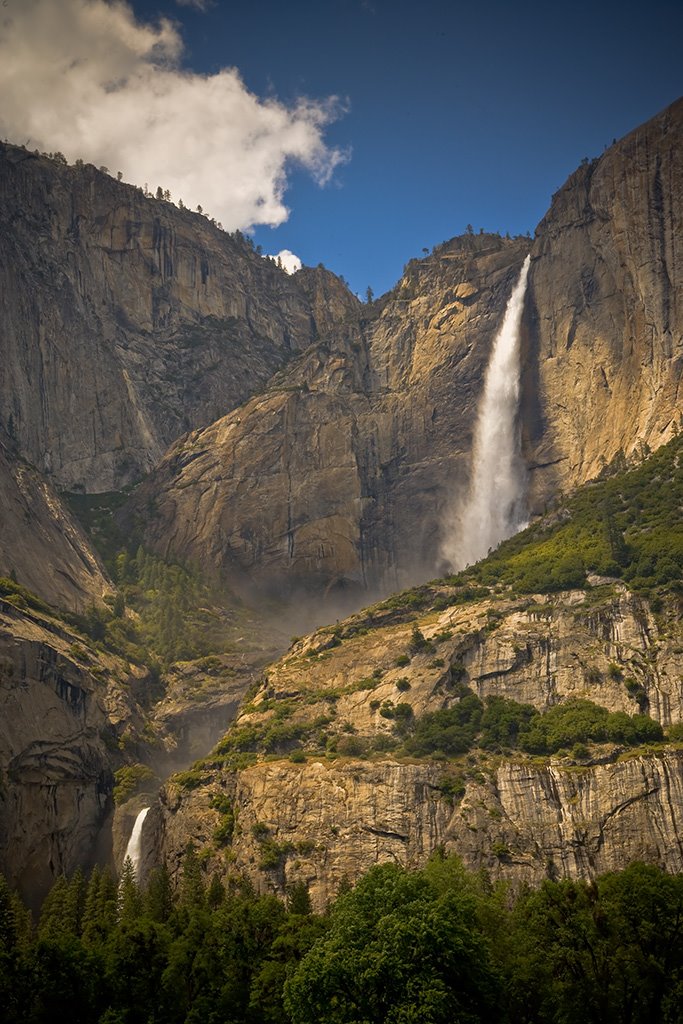
Yosemite Falls from Swinging Bridge
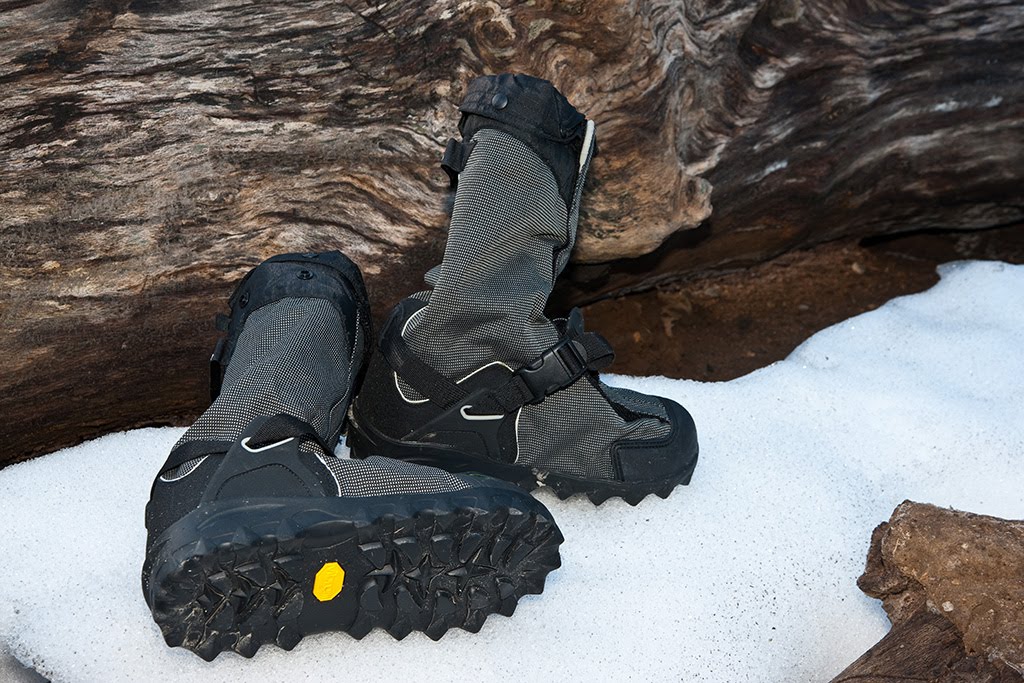
The Chapel, Yosemite, CAThe secret to shooting Yosemite in winter, is to wait for a storm and then go. I didn't have resevations until 2 days prior. I stayed at Yosemite Lodge and it couldn't have been better. The staff there is first rate. They made me feel welcome. The soup's great at the cafeteria and don't forget to buy chains for your shoes. I'm talking about Yaktrax Walkers. You'll slip and slide all over the place without them. Make sure you bring chains for your car too. You're required to carry them in winter. I always bring my Photo Secrets book on Yosemite and The Photographer's Guide to Yosemite by Michael Frye.

For more photos see my Yosemite Winter Photo Gallery.

Labels: , ,

Friday, November 23, 2007

Hummingbird Flies

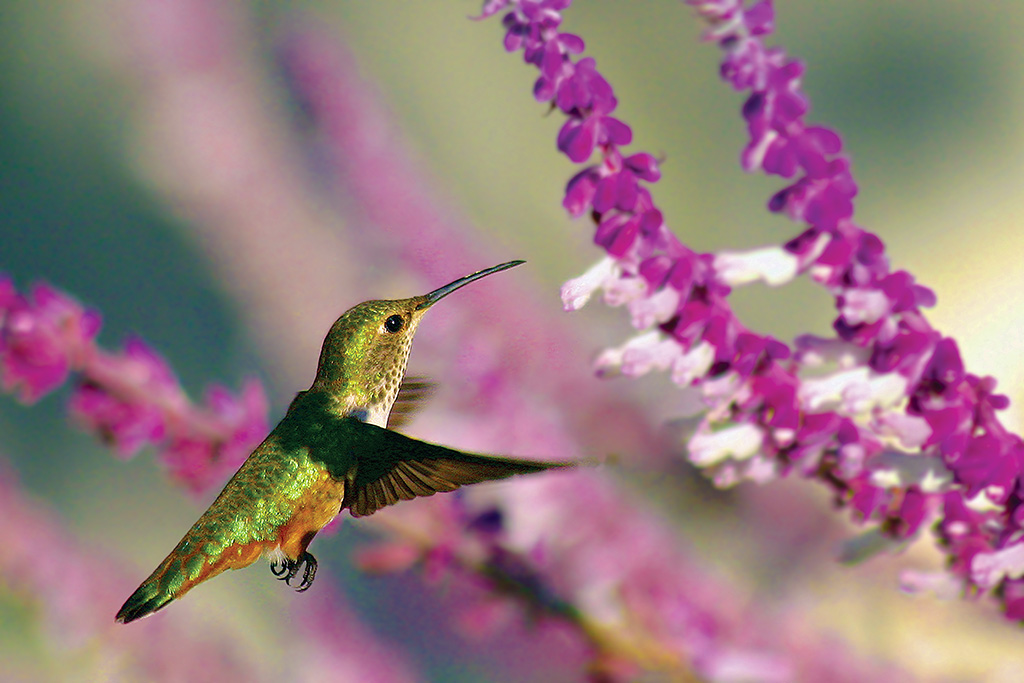
Hummingbird
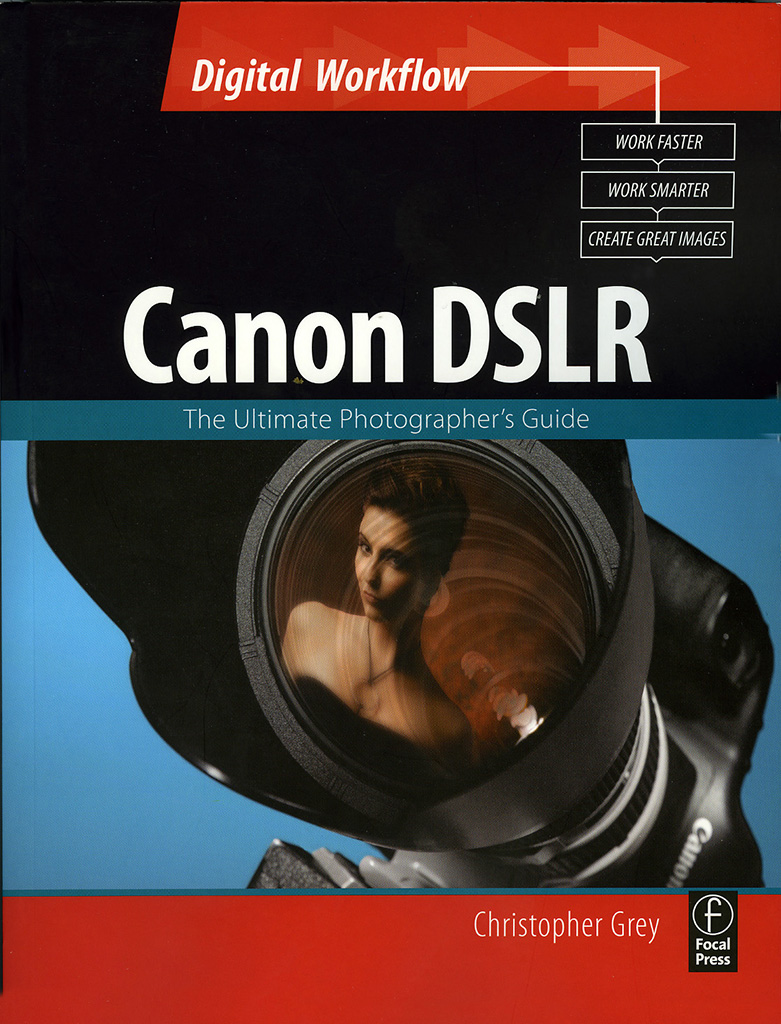
Christoper Grey was kind enough to include one of my photos in his most recent book "Canon DSLR: The Ultimate Photographer's Guide". His book covers all the basics in the first few chapters and then he goes over each and every button on your Canon DSLR. Chris covers Canon's software too.

I tend to use it in place of the Canon Manual. They're are several interviews with well known photographers and tons of examples. You can check the book out on Amazon.

The Hummingbird shot is one of my first digital shots. I was using a Digital Rebel with a 100-300 Canon Lens. I was still shooting JPG's and I did a bit of a crop to make a better composition. Still it holds its own.

Tech Info: Canon Digital Rebel - 6mp, Canon 100-300 Lens, f5.6,2000th of a second, ISO 400 slight crop.

For more info on Christopher Grey see his website. He has a great DVD on Lighting and many more books. His book on book on Portrait Lighting (Mater Lighting Guide for Portrait Photographers) is one of the very best photography books out there.

Labels:

Perennial Favorites

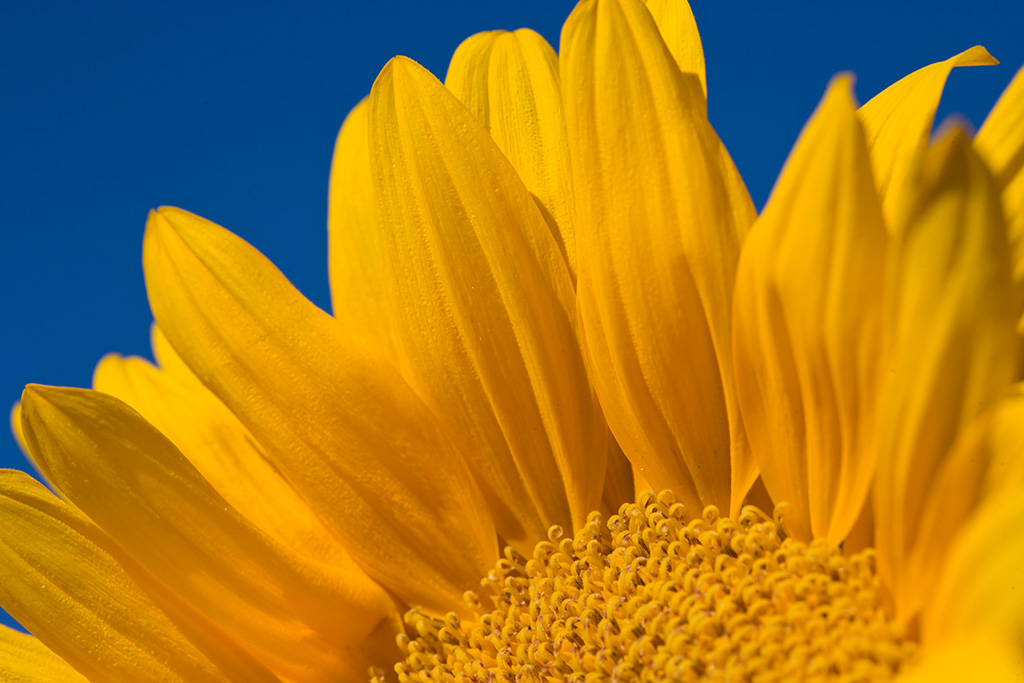
SunflowerFlowers are perfect for photographic studies. The 7 basic elements of design are line, shape, color, form, space, light, and texture. All of which be found in a single blossom. I love the early morning light as it's soft and allows the colors tend to stand out. That being said many flowers such as sunflowers and poppies can be photographed in direct sunlight. Since flowers are small you can shoot from the side, the top, the bottom, and in groups or patterns. It's hard to shoot a mountain this way. You may have to drive 50 miles to make a slight difference and you may have to wait days for the right light.

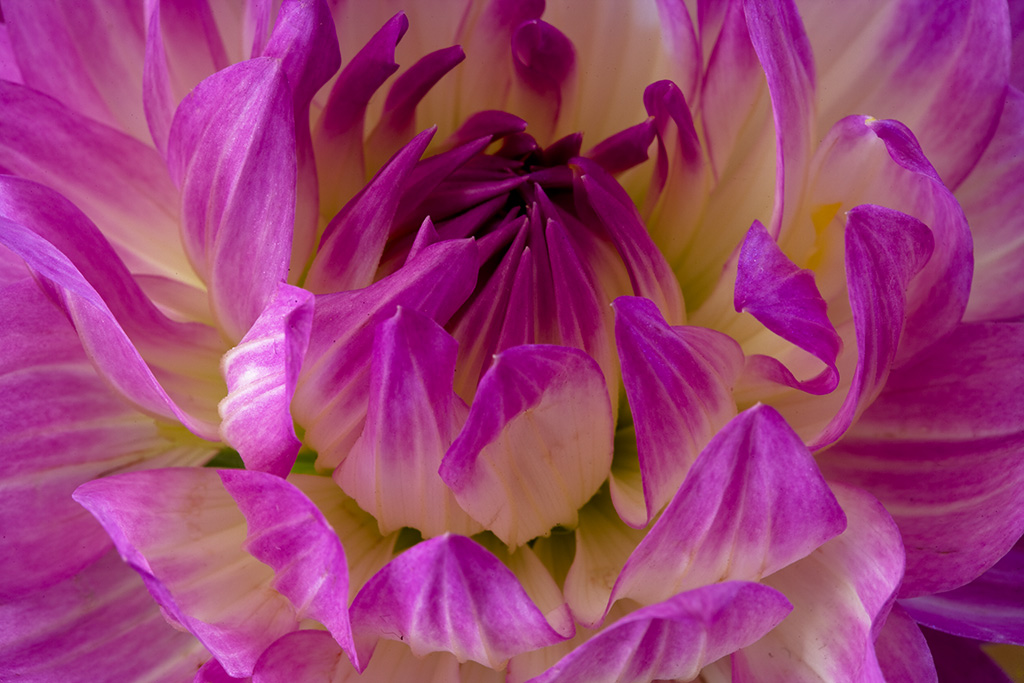
Dahlia
When I'm in the field I use my 100 macro or a 70-200 for most of my close ups. At home I tend to use the 100mm macro. (60mm in a 1.6 format.) The reason is I can usually get closer to my subject at home and fill the frame with the flower. In the field I'm more concerned with the background. I like to shoot wide open at 2.8 but not always. That's the great advantage to doing a study. Anything goes. It's the best way to really learn.

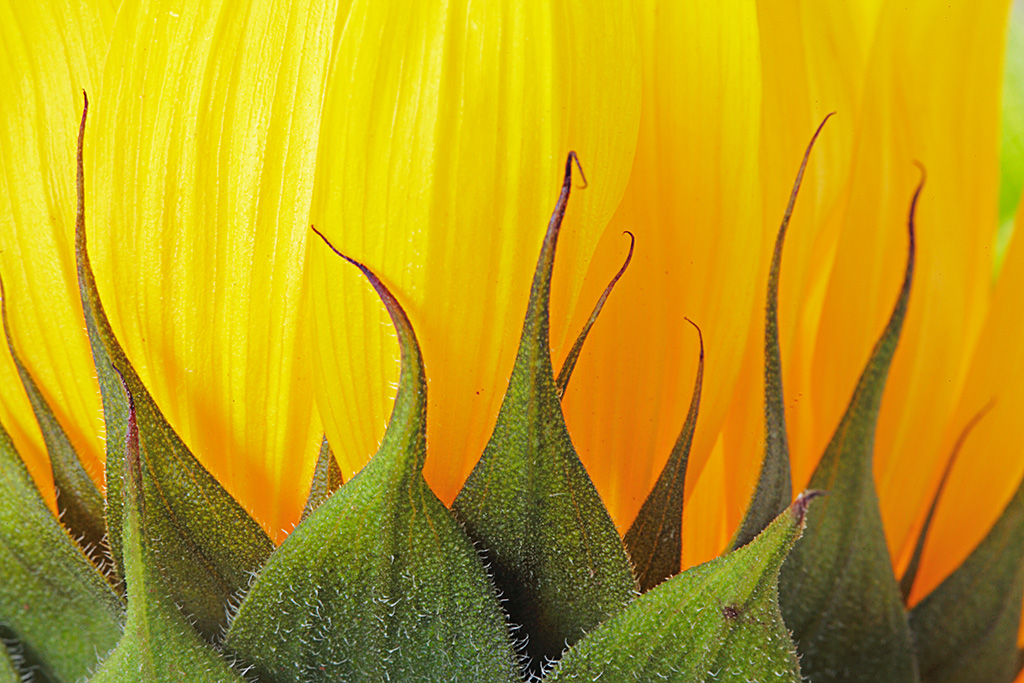
Sunflower
I'm not a full time professional photographer, but I can squeeze an hour in each morning for a couple of weeks. I like to set a goal of 50 shots. I'm sure stock photographers would laugh at that since they would shoot 50 in an hour or two. The real goal is to learn a little something each day.

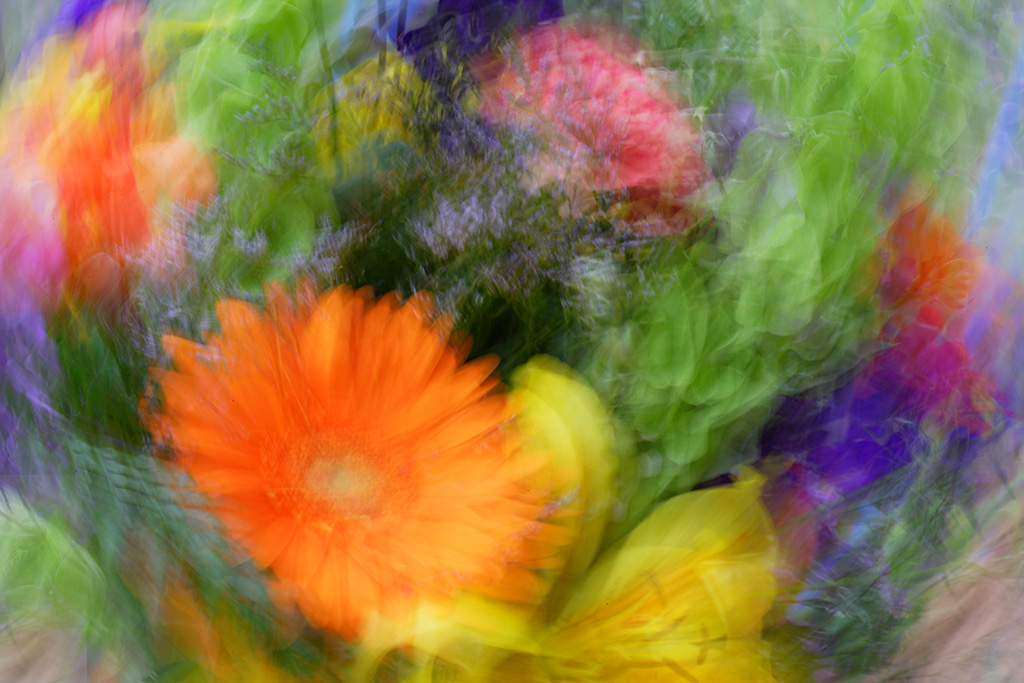
Abstract Flowers
Tony Sweet is the master of Fine Art Photography. His books open up a whole new world. His books have many examples of moving the camera during a long exposure. This was very hard using film, but with digital it becomes much easier. That said, I've yet to get one as good as Tony's. Tony has 3 books and a DVD. I highly recommend all 3. The DVD is a little rough in it's production, but the info is terrific. I hear another DVD is on it's way.

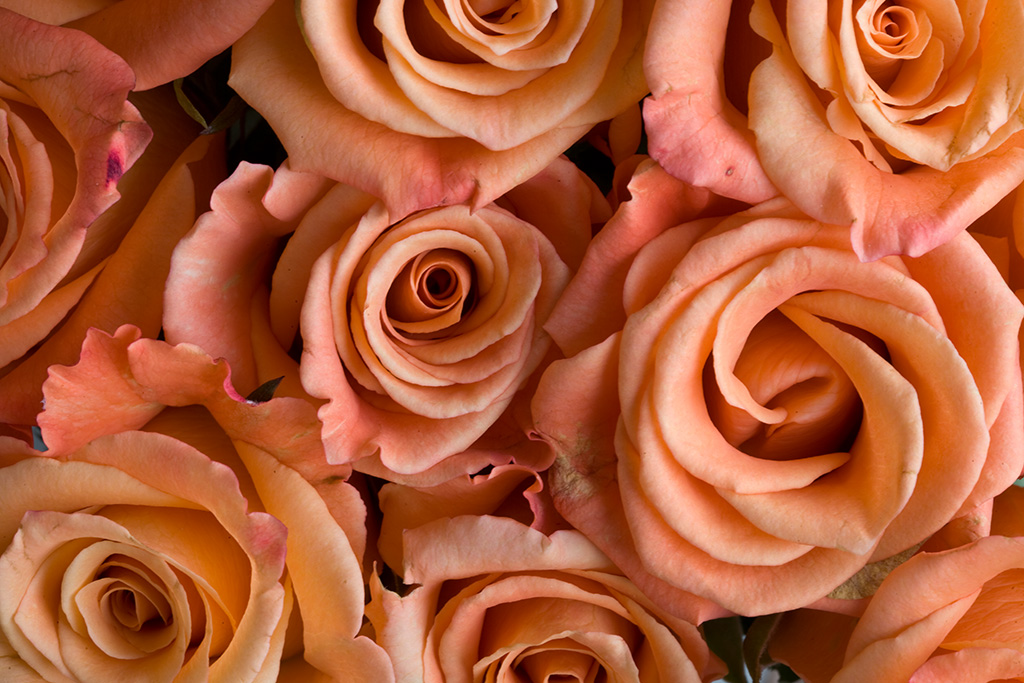
Roses
Sometimes I feel like a nut - sometimes I don't. Once in while I just shoot stock photos. They won't change the art world but they do fine tune my photographic skills. These are simple clean images. Try one of these studies and you'll have as much fun as I do. It's a great way to keep up your skills when you can't get away.

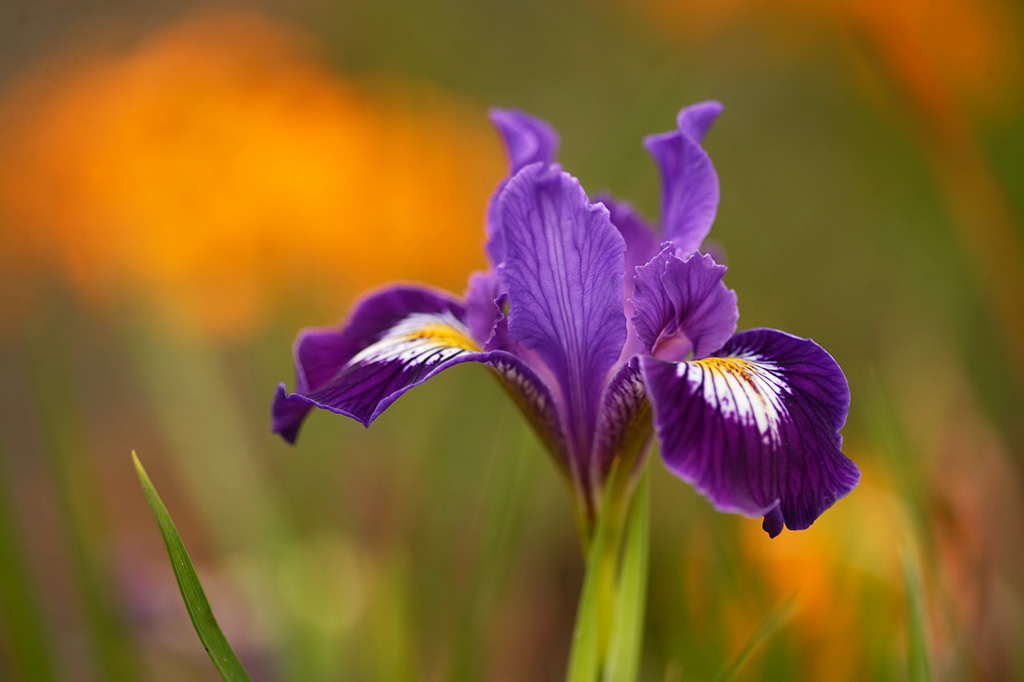
Iris
So here's a run down.
The top sunflower is in direct sun, shooting up over my roof - hence the deep blue sky. (100mm Macro - f8,250th) --- The Dahlia is in very soft light. There's a diagonal pull from the lower left to the upper right. (100mm Marco f16,1sec) --- The 2nd Sunflower shows a us different side. It's just as beautiful. The soft light accents the detail. (100mm Macro f16,0.5s) --- The Abstract Flowers were shot with a twist. (100mm Macro f22, 0.6s) --- The Rose Bouquet was shot in very soft light. Early morning fog. (100mm Macro f16, 2sec) ---The last photo was taken at Carmel Mission. I moved from Iris to Iris until I had the Poppies as a background. (100mm Macro F2.8,320th

For more flowers see my galleries Flowers 2 & Spring Garden
For more on Tony Sweet see his site.

Labels:

Saturday, November 10, 2007

Photographing Dead Horse Point

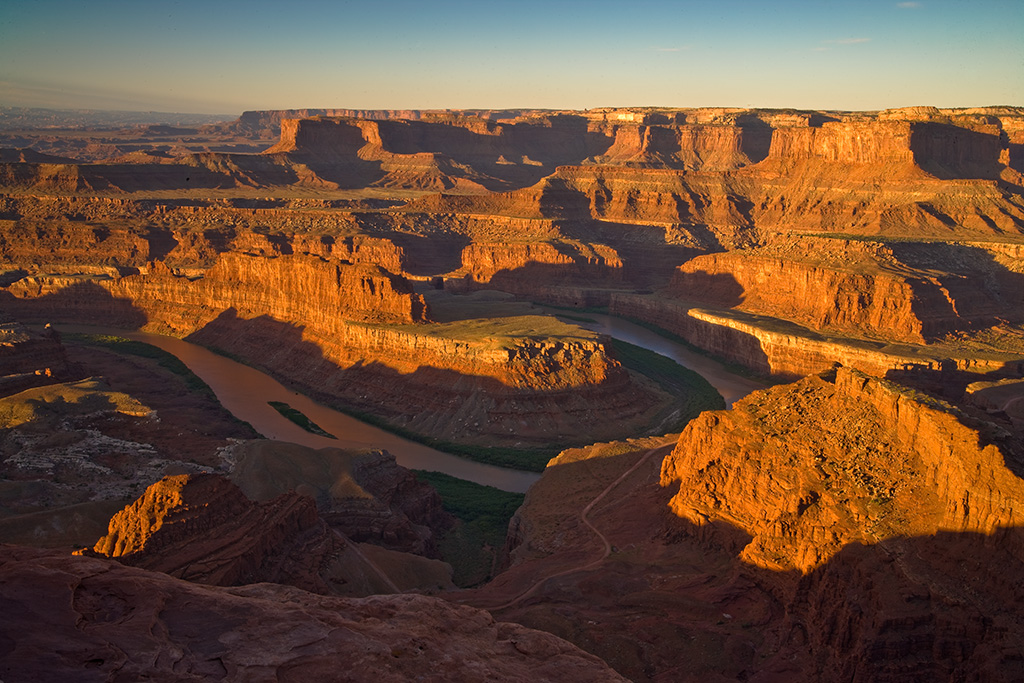
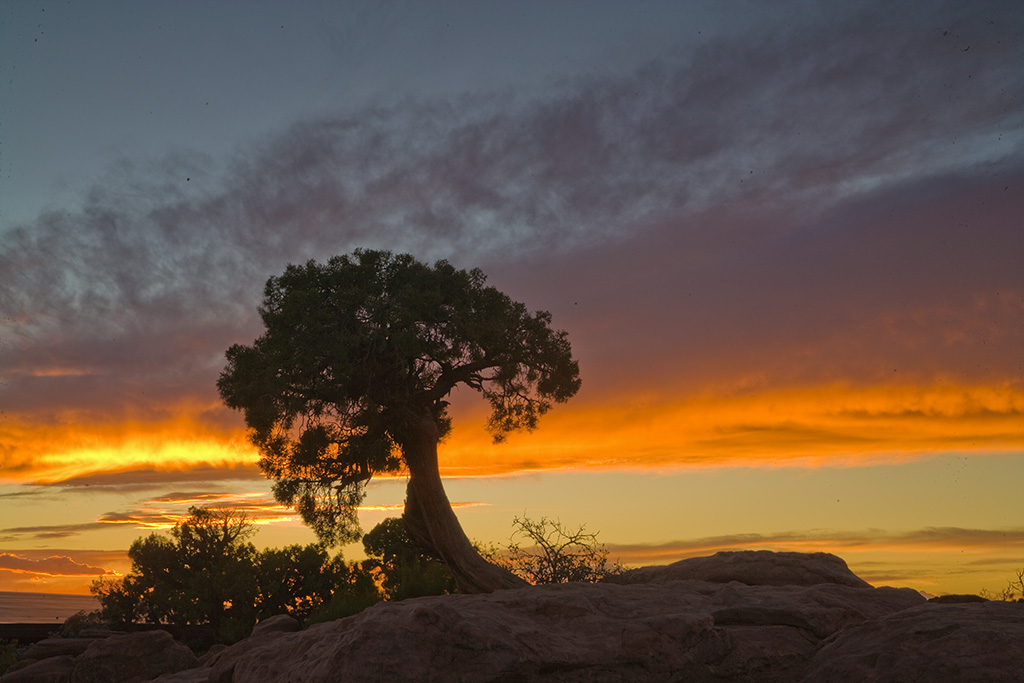
Dead Horse Point Sunrise
Just 45 min outside of Moab is Dead Horse Point State Park. The parking lot is small but the view is on a grand scale. Early Morning is the best time to capture this classic view of the gooseneck in the river and Canyonlands just beyond it. Sunset is also good for a variety of shots but not for this classic view. The best vantage point is to walk past the observation deck and continue along the path for about a 100 feet or so. You'll find plenty of foreground elements to add here. I used f22 to keep everything in focus. Your mileage may vary. There are no rails here so watch your step. If you trip they may have to change the name to Dead Man Point. Those signs are so darn expensive.

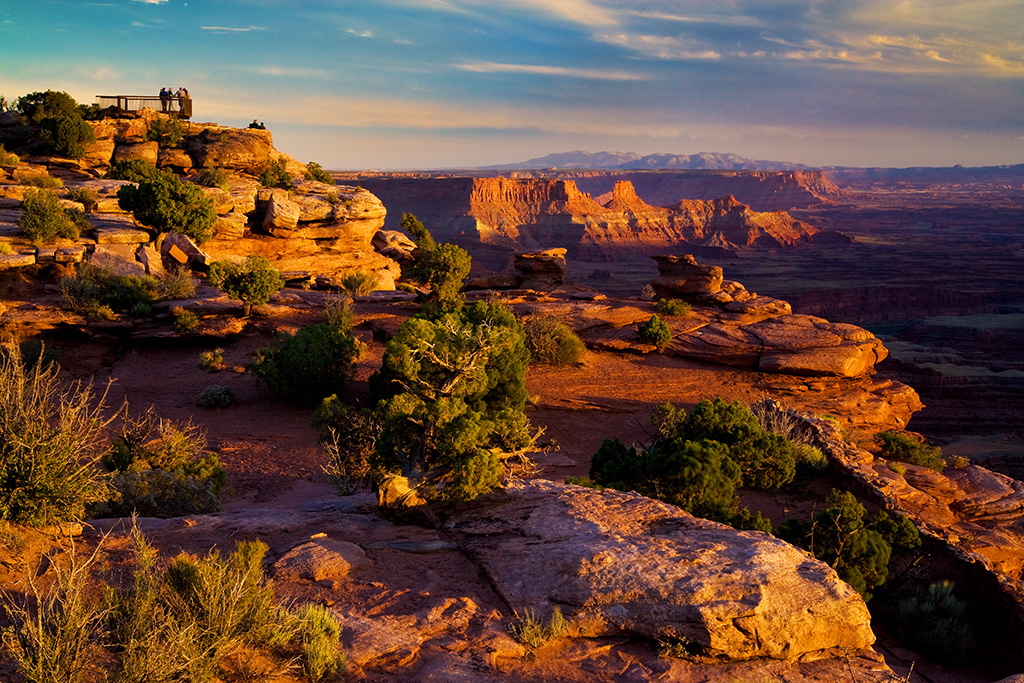
Dead Horse Point Sunset
The park has a small campground with 21 sites and covered picnic tables at each site. Showers are not available, but you can fill up your canteen. The park got its' moniker from some horses that died of thirst on the point. They could see the water, but it's a 2000 foot drop to get there. Please fill your tanks before visiting. You'll also want to take along Photographing the Southwest: Volume 1--Southern Utah by Laurent Martres. I have all 3 volumes.

Dead Horse Point Sunrise - TreeThe staff here is excellent. I asked about other photo locations and they were well versed on the entire state. The pictures here speak for themselves. This is a park not to be missed.

Note: the 1st pix is at just after sunrise and the next 2 are at sunset
For more info see Dead Horse Point State Park
and Issue 35 Canyonlands from Photograph America
For more photos see my Latest Additions Gallery

Labels: ,

Thursday, October 25, 2007

Photographing Bryce

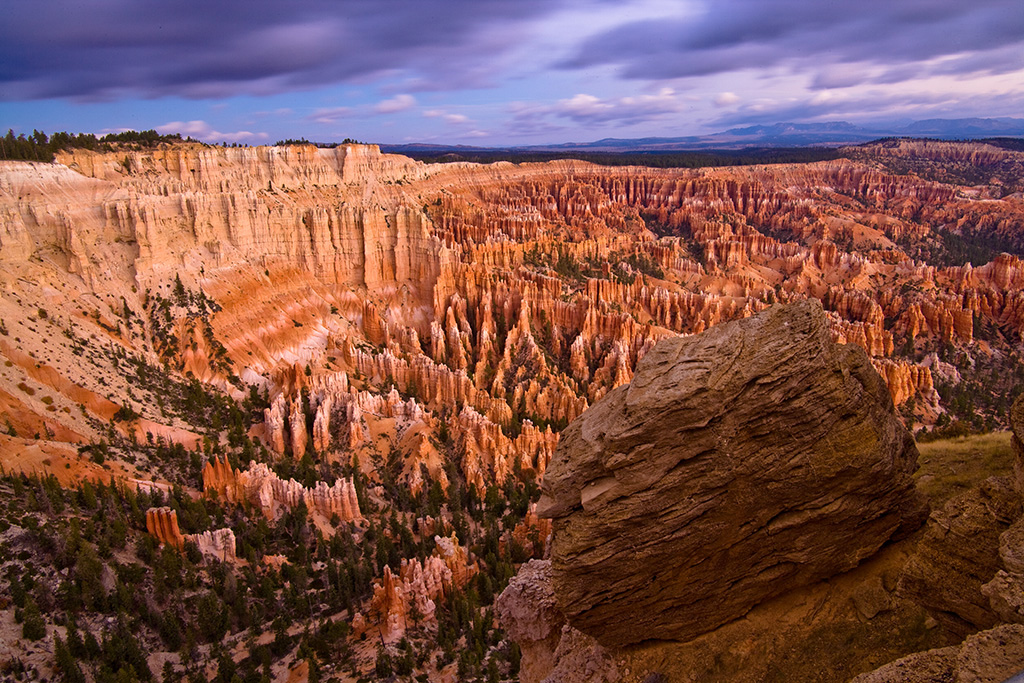
Bryce Point - Craig Wolf
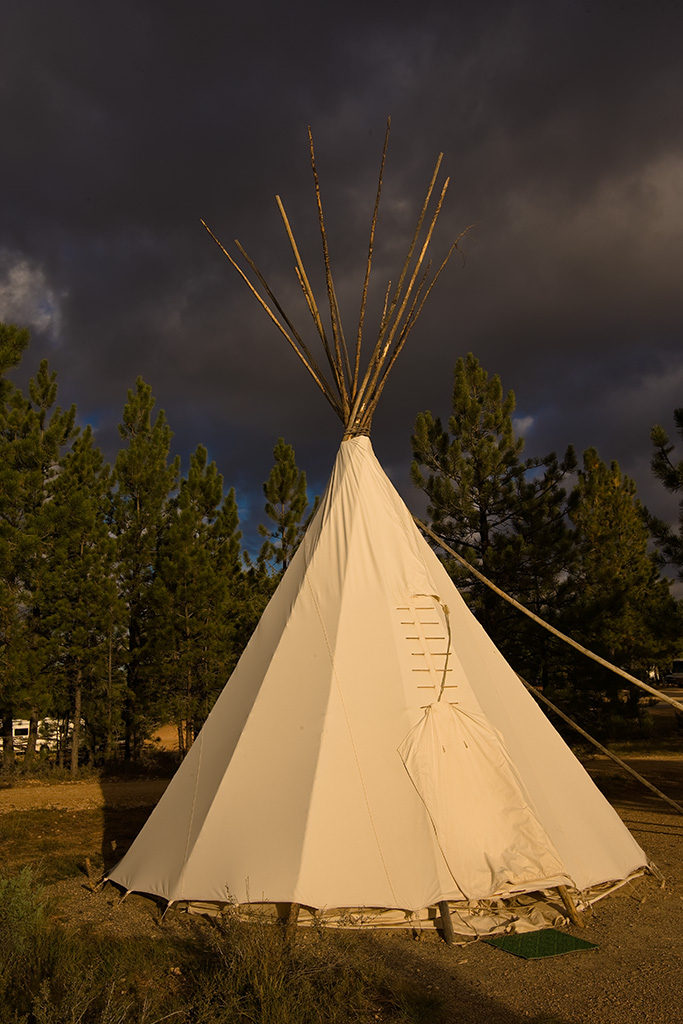
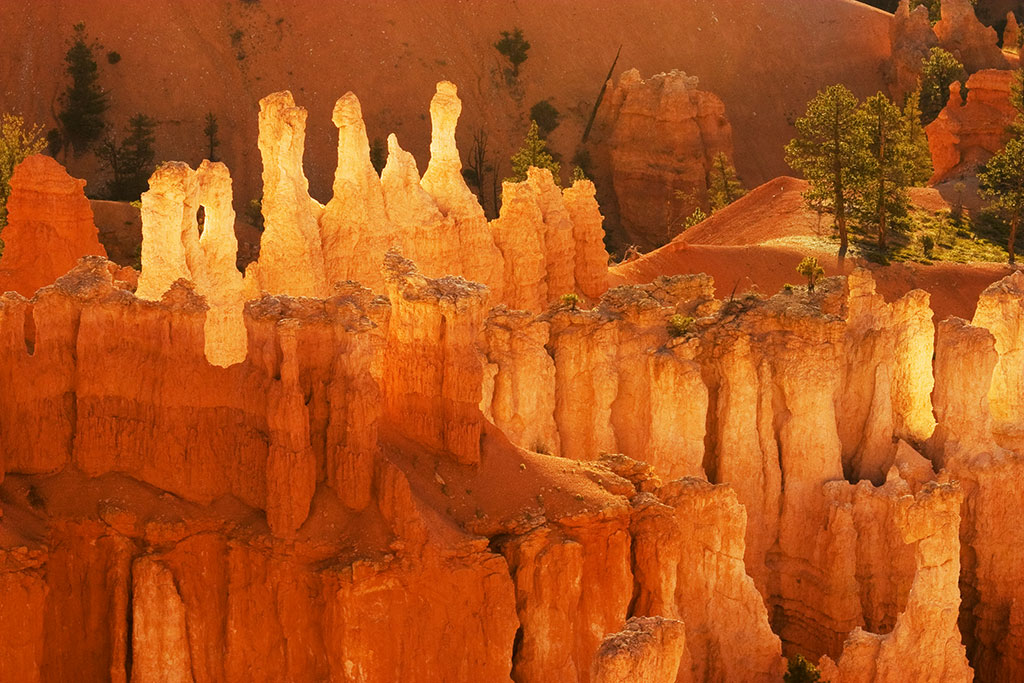
It's not often that I get to sleep in a teepee, but that's just what happened on my trip to Bryce. I never like to plan things out I find it too restrictive. I like to follow the weather and the weatherman said that a storm was brewing in Bryce National Park. So packed up and headed from Moab down to Bryce. Now a teepee isn't great during a storm, but I didn't have a lot of choices since all the rooms both at the park and in town were full. Tourists were everywhere. I'd say about 50 percent of the people visiting were French and about 20 percent were either German or Italian. There were quite a few Japanese too, but not many Americans. The Europeans absolutely love Bryce! As for the teepee it was fun. It didn't rain while I was there, but I did get the clouds I was hoping for. Yippee kay ay!


Bryce Point,Utah - Craig Wolf
I went to Bryce once before and I really liked Bryce Point. Sunrise is the best time to photograph Bryce. I was the first one to get there. Many others showed up later. I imagine there were many more at Sunrise and Sunset Points. If you want to zoom in on some of the Hoodoos Sunrise and Sunset Point are the best, but if you want the whole enchilada I prefer Bryce Point. As for Bryce Point I like to photograph it just before the sun creeps over the horizon. It gets very contrasty after the sun comes up. It can be done if you have enough clouds softening the light.

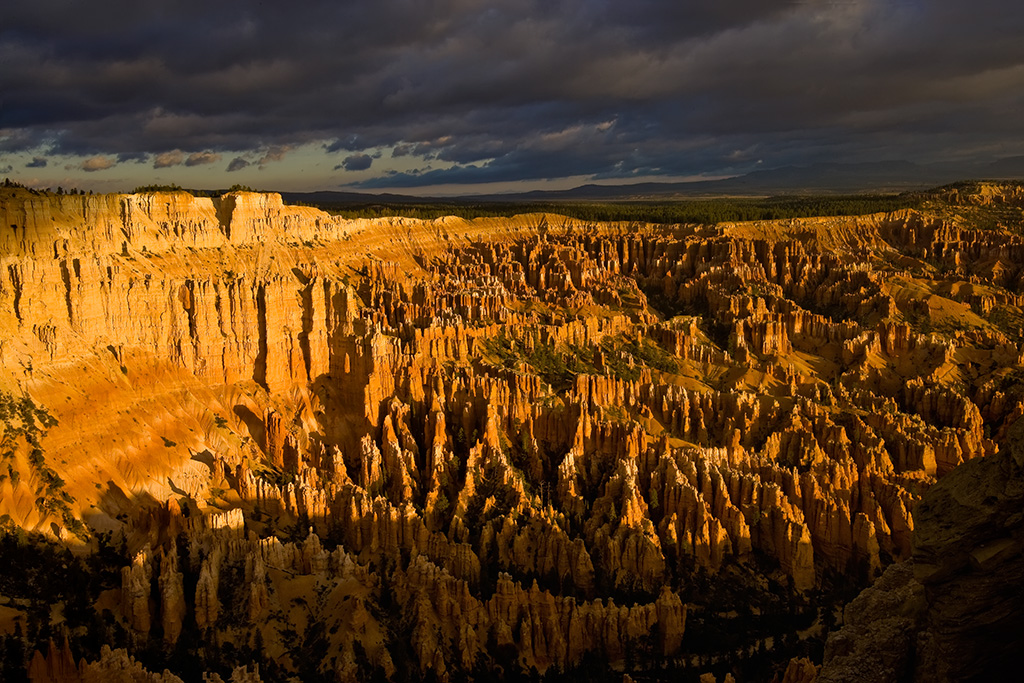
Bryce Hoodoos - Craig Wolf
As for Sunrise and Sunset Point I like backlight. You might think that the face of the Hoodoos would be too dark, but they're so close together that you get light bouncing in from the other Hoodoos. You just have to pick out the ones that have that glow. It's truly amazing in person. The light show continues for some time after sunup. The shot here is from a previous trip because I just ran out of time on this trip and my back can only take so many days of sleeping on the cold hard ground. I hope you can make it to Bryce it's wonderful visit with or without a camera. There's some great trails to explore and if you like to gamble it's not too far from Vegas. If you really like to gamble try the teepee.

For more photos see my Latest Additions Gallery
Ruby's Inn RV Park with Teepees

Labels: ,

Monday, October 22, 2007

Pixel Wrangler

Balance Rock - Craig Wolf
O.K. Here's a quick post of how light can change the mood of a photograph. While at Arches National Park the wind picked up and it changed from a nice sunny day into thunder showers. Then after standing in the wind and rain for hours I left.

As I turned out of the parking lot the light began to peek through the clouds and I drove right back and jumped out. I had been standing with a fellow photographer Robert Curtis who kept telling me that the clouds would break. Of course he had also left. As the sun poured onto the rocks, and the dark storm clouds remained in the background, Robert pulled up. He hadn't gone very far either.

The Sunset put on quite a show and I kept shooting right into twilight. I had plenty of time to make a couple of panoramas. It's amazing to see the dramatic change from photo to photo. It's the same subject only the light is changing. Ah the life of a Pixel Wrangler on the open range.

For more photos see my gallery.

Balance Rock - Craig Wolf

Balance Rock - Craig Wolf

Balance Rock - Craig Wolf

Balance Rock - Craig Wolf

Balance Rock - Craig Wolf
A special thanks goes out to Robert Curtis for encouraging me to stay.

Labels: , , ,

Thursday, October 18, 2007

Photographing Mesa Arch

Mesa Arch,UT - Craig Wolf
After an hour drive from Moab and a short hike I arrived at the famed Mesa Arch. It was 45 minutes before Sunrise and I wasn't alone. At least 8 other photographers were already in place. In what was likely the very best spot was a Italian photographer with a 4x5 and to his left were 2 other pro photographers. By the time the sun came up the total had doubled (mostly Germans), but everyone was polite and I was able to get a good spot. Thanks to one and all.

Mesa Arch, UT Med Wide - Craig Wolf
I had seen many photos from this very spot. When sailors finally cross the equator they get a tattoo of Neptune. I believe with this shot you earn your right of passage, but instead of Neptune it'll be Ansel Adams. (Lovely thought huh.) Anyway, I thought that the sweet light would be right at Sunrise and last but for a few minutes. The light was good at that time, providing a red glow underneath, but the rest of the Arch was very dark, so I zoomed in a little to capture the under glow and valley below. I stopped down f22 and focused on the far lip of the arch which gave me enough depth of field to reach from the front face of the arch to valley below. I just let the sun peek through in order to get a sun star. (Make sure you use a small f-stop. I used f22.) I shot a few more and then I waited for the sun to really come up. About 15 minutes later the Arch had enough ambient light to show detail and the glow was just as bright. I angled my shot to show more of the Arch and a little sky.

Mesa Arch Panorama - Craig Wolf
About 40 minutes after Sunrise the glow was just starting to fade. Most of the photographers had left but a few die hards were still up front. (Including me.) I wanted to get the entire arch in so I did a quick pano group. I set my camera up in the portrait position (Vertical - an L-Bracket really helps here). I made sure that my focus, aperture and shutter were all on manual. I wasn't using a polarizer, but if I had I would have taken it off to ensure a even sky. Then I loosened the base of my ballhead and took about 8 shots with plenty of overlap. (That's not what hangs over my belt, but about a 50 percent overlap of each frame.) I just rotate the camera using the base. The tripod was fairly level, but not prefect.

Back at the ranch I stitched the frames together with ArcSoft's Panorama Maker 4. I thought the perspective would be off since I was so close, but it was fine. Not bad for one morning's work. As for the tattoo well...

Tech Info: Canon 1Ds Mark II, Tamron 28-75mm Lens, Gitzo Tripod, No Filters.
For more on Panoramas see my previous article A Stitch In Time
More more photos see my gallery - Latest Additions

Labels: , ,

Thursday, September 27, 2007

Rubbing Elbows at Maroon Bells


On the last Monday of September I drove straight from Los Angeles to Maroon Bells, CO. It took 15 hours and I was beat. I slept in the back of my SUV. I didn't want to miss sunrise. When I awoke it was dark and their was frost on the ground. It was an hour before sunrise as I walked down to the lake. Wow! At least 60 photographers were elbow to elbow. I grabbed a spot and watched as the conga line grow. Someone later counted 107 photographers.


I used a split neutral density filter for the first sunrise shot. It took on a nice red glow and the water remained calm for a perfect reflection. I used f22 and my focus point was about a third of the way into the picture to give me the greatest depth of field.


It was freezing cold so I took a hike to warm up. I stopped to take up near the creek and ran into Derek von Briesen. I met Derek while shooting Red Rock Crossing in Sedona. Derek gives workshops and I hope to join him on one soon. He's very gifted and has a talent for teaching too. You can check out some of his fine works at his gallery. It was great seeing him again.


It took an hour before the sun came up over the surrounding ridge and let the light poor onto the aspens. I think it was close to 10 or 11 when the pine trees on the left lit up. No filtration was needed as the light in the scene was now balanced. I tried a polarizer but the sky is already a dark blue.


I headed back down the road and spotted some aspens that I wanted to shot but it was too late. I returned the next day a little earlier and the light was just over the top of the cliff. The backlight really made the trees pop out. The stand of trees was perfect as a panoramic. I stitched them together with ArcSoft's Panorama Maker 4. For the how to's see my previous article here.


I got off to late start in the afternoon as I headed for Kebler Pass. It's about 2 hours to the crest from where I'm staying in Carbondale. Kebler Pass is a 26 mile long dirt road. When I passed over the top towards the Crested Butte side there was plenty of color but not much light. I spotted the perfect scene. It was a 30 second exposure @ f22, ISO 100. The wind blurred the leaves and gave it a painterly look. I returned the next day about an hour before sunset, but the light was never the same. I have many sharp pictures but none equal to this one.

I tried to post this while I was on the road but my server (iPower) locked up and I didn't want to spend an hour on the phone with them.

For more photos see Latest Additions on my gallery. These are straight off my laptop and need to be tweaked a little. I'll have additional photos, articles and color corrected images later this week.

Labels: , , ,

Friday, September 21, 2007

Links

Photo Tips Article Index

Scenic Locations

Photographing California's Wildflowers
Earthday and Photography
Photographing Yosemite in Winter
Photographing Dead Horse Point
Photographing Bryce
Pixel Wrangler (Balanced Rock, Arches, UT)
Photographing Mesa Arch
Rubbing Elbows at Maroon Bells
Photographing Mt. Rainier National Park
Photographing The California Redwoods
Photographing The Columbia River Gorge
Photographing Malibu
Photographing Hunting Island, SC
The Last Days of Summer (Leo Carrillio State Beach, CA)
Photographing Big Sur

Photoshop Tips

A Recipe for Fine Art
Black and White Conversions
A Stitch in Time

Flash Tips

Shooting Ducks
Flowers for Mom
What! Using Flash For Nature Photography!
What a Wild Ride

Reviews

Hummingbird Flies
Tamron 200-500mm Lens Review

More Tips

Perenaial Favorites (Photographing Flowers)
Back to the Scene of the Crime
Rock 'n' Roll is Here to Stay

Updates will follow as needed.